Plumbing issues have a terrible sense of timing. They rarely happen on a quiet Tuesday afternoon when you have nothing else planned; instead, they strike at midnight, during holiday dinners, or right as you are stepping out the door for work.
While a slow-draining sink can usually wait a day or two, true plumbing emergencies require immediate action to prevent costly structural damage, health hazards, and astronomical water bills.
Here are five critical signs that you are facing a plumbing emergency, along with the immediate steps you should take before the pros arrive.
1. Rapidly Rising Water (or Active Flooding)
Whether it’s a burst pipe under the sink, a ruptured washing machine hose, or an overflowing toilet that just won’t stop, active flooding is the ultimate Code Red of home plumbing.
- The Risk: Water spreads fast. Within minutes, it can ruin drywall, destroy hardwood floors, rot subfloors, and spark mold growth.
- What to Do:
- Shut off the main water valve immediately. Every homeowner should know where this valve is located (usually near the water meter or where the main supply line enters the house).
- If the flooding is isolated to a specific fixture (like a toilet or sink), turn the local shut-off valve behind that fixture clockwise.
2. Unexplained Drop in Water Pressure Across the Entire House
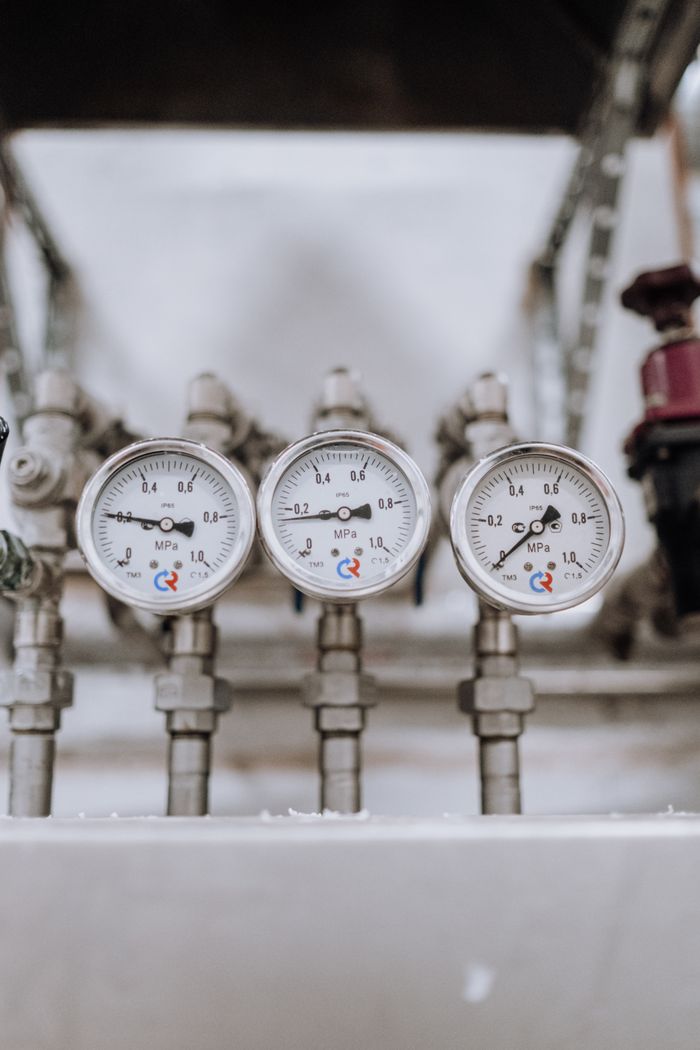
If water suddenly reduces to a trickle from every faucet in your home, you aren’t just dealing with a clogged aerator.
- The Risk: A sudden, widespread loss of pressure usually points to a major breach in your main water supply line. Water could be pouring into your yard, under your foundation, or into your basement walls right now.
- What to Do: Walk around your property. Look for unusually soggy patches on your lawn, standing water near the foundation, or the sound of running water when all taps are off. Shut off your main line and call a licensed plumber.
3. Multiple Clogged Drains or Sewage Backup
A single clogged sink is a nuisance; multiple clogged drains—especially on the lowest level of your home—are a crisis. If flushing the upstairs toilet causes water to gurgle up into the downstairs shower, your main sewer line is blocked.
- The Risk: Sewage contains harmful bacteria, pathogens, and biohazards. Raw sewage backing up into your sinks, tubs, or floor drains poses serious health risks and requires professional remediation.
- What to Do:
- Stop using all water immediately. Do not run the dishwasher, laundry machine, or shower, and refrain from flushing toilets.
- Avoid chemical drain cleaners—they won’t clear a main line blockage and can damage your pipes.
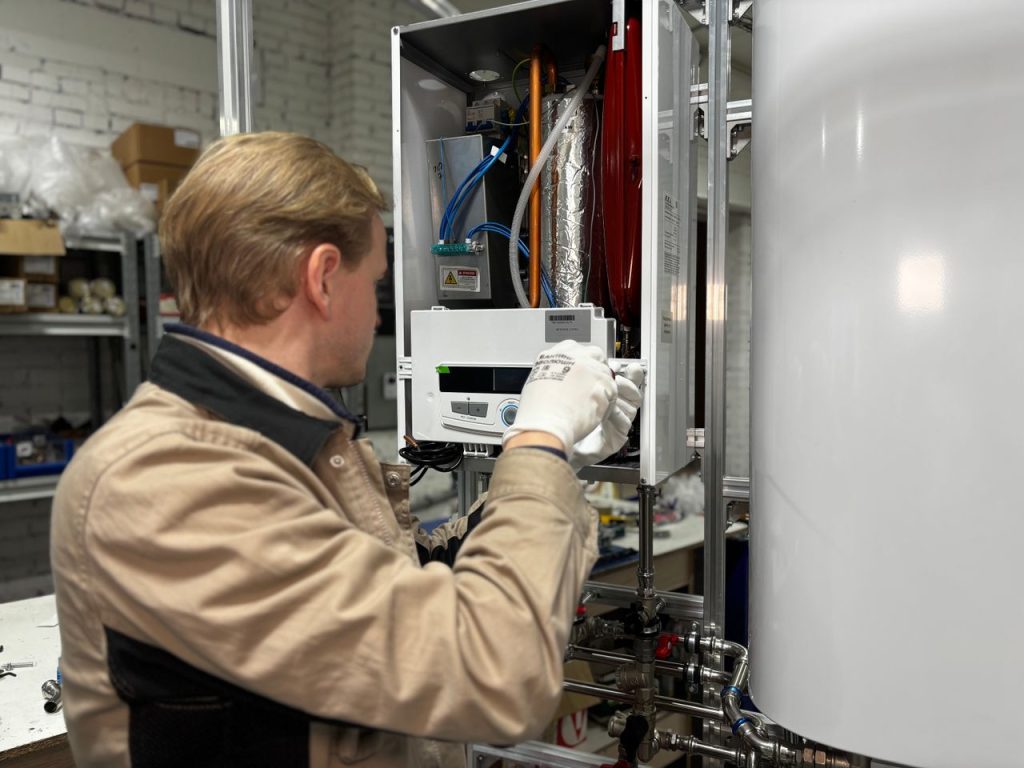
4. The Smell of Gas Near Gas-Powered Water Heaters
Plumbing isn’t just about water; plumbers also handle natural gas lines connected to water heaters, stoves, and boilers. If you smell a rotten egg odor near your plumbing appliances, treat it with extreme urgency.
- The Risk: Gas leaks are a severe fire and explosion hazard, as well as a carbon monoxide risk.
- What to Do:
- Evacuate the house immediately. Do not turn light switches on or off, light matches, or plug/unplug appliances—any spark could ignite the gas.
- Once safe outside, call your gas company’s emergency line or 911, then contact a licensed plumber certified in gas line repair.
5. No Hot Water in the Dead of Winter
Waking up to a freezing cold shower in the middle of winter is more than an uncomfortable nuisance—it can signal an urgent issue with your water heater.
- The Risk: A sudden loss of hot water during freezing temperatures can lead to frozen pipes. Furthermore, if your water heater is leaking or showing signs of rust-colored water around its base, the tank may be on the verge of a catastrophic burst.
- What to Do: Inspect your water heater for standing water or leaks around the tank. If you see active leaking, turn off the cold water supply valve leading into the water heater and shut off its power source (the circuit breaker for electric heaters, or the gas valve for gas heaters).
💡 Quick Emergency Action Checklist
Keep this checklist handy for when plumbing trouble strikes:
- [ ] Locate your main water shut-off valve today (don’t wait for an emergency).
- [ ] Turn off power/gas supply to the water heater if water flow is stopped.
- [ ] Contain the water using towels, buckets, and wet/dry vacuums if safe to do so.
- [ ] Document the damage with photos and videos for insurance claims.
- [ ] Call a 24/7 licensed emergency plumber.